
Article: Body Acne: Causes, Skincare Ingredients and the Best Routine
Body Acne: Causes, Skincare Ingredients and the Best Routine
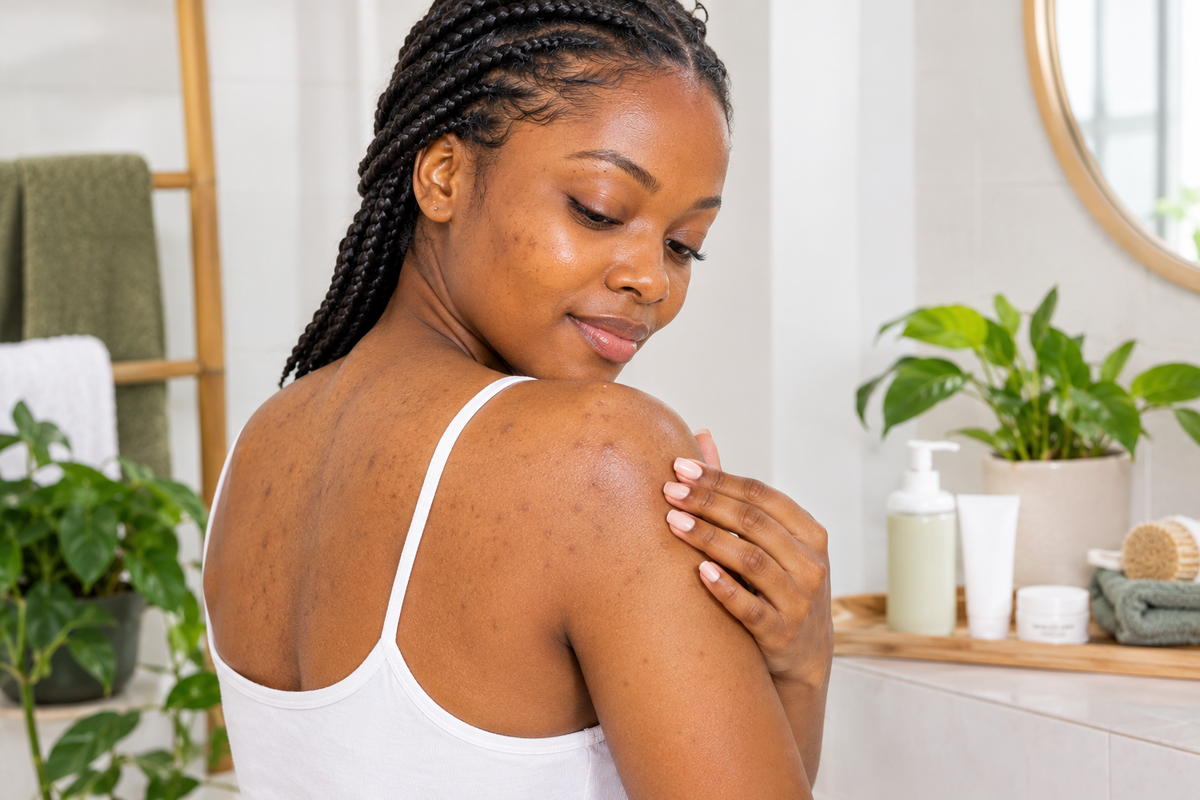
Breakouts on your back, chest or shoulders can be frustrating, especially when your facial skincare routine seems to be working just fine. You might notice new bumps after a workout, feel uncomfortable wearing an open-back outfit, or find that the spots disappear only to leave dark marks behind.
If that sounds familiar, you're not alone. Body acne is common, and treating it involves more than scrubbing your skin harder or buying every acne product you see online.
The right approach starts with understanding what's causing the breakouts, choosing suitable skincare ingredients and building a routine that doesn't leave your skin irritated.
Here's what you need to know about body acne, from the ingredients worth considering to the everyday habits that can help your skin.
What is body acne?
Body acne is acne that develops on areas of the body other than the face, particularly the back, chest, shoulders and upper arms.
Like facial acne, it develops when hair follicles become blocked with oil and dead skin cells. Inflammation can then lead to blackheads, whiteheads, red bumps and pus-filled spots.
Body acne can range from a few occasional blemishes to deeper, painful breakouts that affect larger areas of skin.
It is also worth knowing that not every body bump is acne. Folliculitis, for example, is inflammation of the hair follicles that can resemble acne. It may be associated with bacteria, yeast, friction or other causes, and it can require a different approach.
If your bumps are unusually itchy, all look very similar, or persist despite acne care, consider seeing a healthcare professional rather than assuming they are ordinary acne.
What causes body acne?
There is rarely one single explanation for body breakouts. Several factors can contribute, and understanding them can help you make more useful changes to your routine.
1. Excess oil and clogged pores
Your skin naturally produces sebum, an oily substance that helps lubricate the skin. When sebum and dead skin cells accumulate inside hair follicles, they can contribute to acne.
Areas such as the upper back and chest have many oil-producing glands, which helps explain why breakouts commonly develop there.
2. Hormonal changes
Hormonal fluctuations during puberty, menstruation and other stages of life can influence oil production and acne activity.
If your body acne appears alongside persistent facial acne, irregular periods or other hormonal symptoms, a clinician can help determine whether further assessment is appropriate.
3. Sweat, friction and tight clothing
Sweat itself does not automatically cause acne, but heat, moisture and friction can aggravate breakouts in some people.
Tight workout clothes, backpacks, sports equipment and clothing that rubs repeatedly against the skin may contribute to irritation and acne-like eruptions.
If you exercise regularly, change out of sweaty clothing and shower when practical after your workout.
4. Haircare and bodycare products
Conditioners, styling products, oils and heavy body products can contribute to clogged pores in susceptible people, particularly when they leave residue on the back, shoulders or chest.
If breakouts appear around the areas where your hair rests against your skin, consider whether your haircare routine could be contributing.
Try rinsing conditioner thoroughly and washing your back and shoulders after rinsing out hair products.
5. Picking and aggressive scrubbing
It is tempting to scrub away bumps or squeeze a spot that looks ready to disappear. Unfortunately, this can increase inflammation and damage the surrounding skin.
That matters particularly if you are prone to post-inflammatory hyperpigmentation, the dark marks that can remain after a spot heals.
A gentler routine is often a better starting point than a more aggressive one.
The best skincare ingredients for body acne
Choosing an ingredient should depend on the type of breakout you have, how sensitive your skin is and whether your main concern is active acne or the marks it leaves behind.
Here are some of the best-known options.
1. Salicylic acid: For clogged pores
Salicylic acid is a beta hydroxy acid, commonly abbreviated as BHA. It helps loosen the buildup of dead skin cells inside pores and is used in products formulated for acne-prone skin.
It may be useful if you experience blackheads, whiteheads or small clogged bumps across your chest and back.
How to use it: Start with a salicylic acid cleanser or body product according to its label instructions. Introduce it gradually, especially if your skin is sensitive or already dry.
Using it more often or combining it with several exfoliating products will not necessarily improve your results.
2. Benzoyl peroxide: For inflammatory acne
Benzoyl peroxide is an established topical acne treatment that helps reduce acne-causing bacteria and inflammation.
It can be particularly useful for mild to moderate inflammatory back acne. Wash formulations are available for body use, but they can cause dryness, irritation or peeling.
How to use it: Follow the product instructions carefully. Some benzoyl peroxide washes work best when left on the skin briefly before rinsing; follow the specific directions for your product.
One important detail: benzoyl peroxide can bleach towels, bedding and clothing. Rinse thoroughly and use fabrics you don't mind potentially discolouring.
3. Retinoids: For clogged pores and acne prevention
Topical retinoids, such as adapalene, are vitamin A derivatives used to treat acne. They help normalise the shedding of skin cells inside follicles, reducing the formation of clogged pores.
They may be an option for persistent body acne, although some formulations are intended for specific areas or require professional guidance.
Retinoids can cause dryness, peeling and irritation, particularly when first introduced. Start according to the product directions and seek advice if you are unsure whether a retinoid is suitable.
If you are pregnant or planning a pregnancy, avoid topical retinoids unless your clinician specifically advises otherwise. Ask a doctor or pharmacist about appropriate acne treatments during pregnancy or breastfeeding.
4. Azelaic acid: For acne and post-acne marks
Azelaic acid is an ingredient with anti-inflammatory and antimicrobial properties that is used in the management of acne and certain pigmentation concerns.
It can be particularly relevant when breakouts leave behind brown or dark marks.
For melanin-rich skin, these marks may be more noticeable and can persist long after the original spot has settled. Azelaic acid may help address acne while also supporting improvement in some forms of post-inflammatory hyperpigmentation.
However, the most appropriate product, concentration and application area depend on the formulation. A product intended for facial use should not automatically be assumed suitable for large areas of the body.
5. Niacinamide: For supporting the skin barrier
Niacinamide, a form of vitamin B3, is used in skincare to support the skin barrier and improve the appearance of uneven skin tone. Depending on its formulation and concentration, it may also help improve the appearance of excess oil.
It can complement an acne routine, especially if your skin becomes dry or uncomfortable from other treatments.
Niacinamide is not a replacement for proven acne treatments when breakouts are persistent, but it may be a useful supporting ingredient.
6. Moisturisers with ceramides and glycerin
Acne-prone skin still needs moisture. Drying out the skin with repeated cleansing and strong treatments can lead to discomfort and make a routine harder to maintain.
Ceramides are lipids that help support the skin barrier, while glycerin is a humectant that attracts water to the skin.
Look for a moisturiser that feels comfortable on your body and does not appear to worsen your breakouts. Products labelled non-comedogenic may be a useful starting point, although no label guarantees that a product will suit everyone.
Body acne versus folliculitis: How can you tell the difference?
Acne and folliculitis can look similar, but they do not always respond to the same treatments.
Acne may include a mixture of blackheads, whiteheads and inflamed pimples. Folliculitis often appears as small bumps or pustules centred around hair follicles, and some forms can be itchy.
Folliculitis can be associated with bacteria, yeast, shaving, friction or other factors. Using acne treatments without knowing the cause may not help and could irritate the skin.
If the bumps are very itchy, appear suddenly, spread quickly or fail to improve with sensible acne care, consult a healthcare professional for an accurate diagnosis.
How to build a simple body acne skincare routine
A useful routine does not need to involve six different washes and a complicated collection of treatments. Start with a few well-chosen steps and adjust according to your skin's response.
Your morning or shower routine
Step 1: Cleanse gently.
Use a gentle body cleanser to remove sweat, excess oil and everyday buildup. Avoid scrubbing with rough brushes or abrasive gloves.
If you choose a medicated cleanser containing salicylic acid or benzoyl peroxide, follow its directions rather than layering several acne washes in one shower.
Step 2: Rinse thoroughly.
Pay attention to the back, shoulders and chest, particularly after using hair conditioner or styling products that may leave residue.
Step 3: Moisturise.
Apply a suitable body moisturiser if your skin feels dry or tight. Choose a texture that feels comfortable and does not seem to aggravate your breakouts.
Step 4: Protect exposed skin.
If your chest, shoulders or back will be exposed to daylight, apply broad-spectrum sunscreen of SPF 30 or higher. Reapply according to its directions, especially after swimming, sweating or towelling off.
Sun protection is also important when you're trying to prevent existing dark marks from becoming more noticeable.
Your evening routine
Step 1: Cleanse away the day's buildup.
Remove sweat, sunscreen and other residue with a gentle cleanser.
Step 2: Apply one targeted treatment if needed.
Depending on your skin concerns, this might be a suitable acne treatment containing an ingredient such as salicylic acid, benzoyl peroxide or a retinoid.
Introduce one new active ingredient at a time. Follow its label and avoid applying it to irritated or broken skin.
Step 3: Moisturise.
Finish with a comfortable moisturiser to help reduce dryness and support the skin barrier.
If your skin becomes persistently irritated, scale back the active treatment and seek advice if symptoms do not settle.
Everyday habits that may help reduce body breakouts
Skincare products are only one part of managing body acne. A few practical habits can also help reduce irritation and make your routine easier to maintain.
-
Change after sweating. Avoid staying in damp workout clothes for longer than necessary.
-
Choose comfortable clothing. Breathable or moisture-wicking fabrics may help reduce friction during exercise.
-
Wash workout clothes after use. This helps remove sweat, oil and product residue.
-
Rinse haircare products thoroughly. Wash your back and shoulders after rinsing out conditioner if these areas are prone to breakouts.
-
Avoid picking spots. Picking can increase inflammation and the risk of scarring or pigmentation.
-
Keep your routine consistent. Frequent product switching makes it difficult to assess what is helping.
-
Be cautious with heavy products. If a body oil or cream seems to worsen your breakouts, stop using it and see whether your skin improves.
You do not need to eliminate every oil or avoid moisturiser altogether. The goal is to identify what your skin tolerates rather than following blanket rules.
Body acne and dark spots on melanin-rich skin
For many people with darker skin tones, the breakout is only part of the problem. The mark left behind can remain visible long after the inflammation has gone.
This is often called post-inflammatory hyperpigmentation, or PIH. It develops when inflammation stimulates changes in melanin, the pigment responsible for skin colour.
PIH can affect all skin tones, but it is more common and may last longer in darker skin.
What can help with post-acne dark marks?
First, control the active acne. Treating new breakouts helps reduce the chance of additional marks forming.
Avoid irritation. Harsh scrubs, excessive exfoliation and picking can worsen inflammation and potentially deepen pigmentation.
Consider appropriate targeted ingredients. Depending on your skin and the cause of the marks, ingredients such as azelaic acid or a suitable retinoid may be helpful. A clinician can guide you if pigmentation is persistent or extensive.
Use sunscreen on exposed areas. Ultraviolet exposure can darken some forms of pigmentation. Protect your shoulders, chest and other exposed areas with broad-spectrum sunscreen.
Remember that dark marks usually take longer to fade than the original spots take to heal. Flat brown marks are also different from raised or indented scars, which may need a different treatment approach.
Common body acne mistakes to avoid
Scrubbing harder to remove bumps
Acne is not a sign that your skin is dirty. Aggressive scrubbing can irritate the skin without addressing the processes that cause clogged pores.
Using too many active ingredients
Combining several acne treatments immediately can cause excessive dryness, irritation and peeling. Build your routine gradually and introduce one new treatment at a time.
Expecting overnight results
Acne treatments need time. Switching products every few days makes it difficult to judge whether a treatment is working.
Skipping moisturiser
If your skin becomes dry and uncomfortable from treatment, you may struggle to maintain the routine. Choose a suitable moisturiser rather than trying to dry out your skin.
Treating every bump as acne
Persistent itchy bumps, widespread pustules or eruptions that do not respond to acne treatment may have another cause. Getting the diagnosis right matters.
Ignoring deep or painful breakouts
Deep nodules and cysts can cause permanent scars. Do not rely solely on over-the-counter products if your acne is severe or worsening.
How long does body acne take to improve?
There is no single timeline for every person or every treatment.
Some people notice gradual improvement after several weeks, while acne treatments commonly need around 6–8 weeks or longer to show a noticeable difference. A fuller assessment of progress may take approximately 8–12 weeks, depending on the treatment.
Results vary according to the severity of acne, the ingredient and formulation used, consistency and individual skin response.
Dark marks often take months to fade and may persist longer if new breakouts continue. Raised scars and indented scars are different from flat pigmentation and may not resolve with skincare alone.
If you have used a suitable routine consistently without improvement, or if your acne is painful, severe or causing scars, see a dermatologist or doctor rather than continually adding products.
Frequently asked questions about body acne
1. What causes body acne?
Body acne develops when hair follicles become clogged with oil and dead skin cells, leading to inflammation. Hormonal changes, friction, certain products and sweating-related irritation may contribute.
2. How do I get rid of body acne?
Start with gentle cleansing, a suitable acne treatment and a moisturiser your skin tolerates. Shower after sweating, avoid picking and introduce active ingredients gradually. Severe or persistent acne may require prescription treatment.
3. Is salicylic acid good for body acne?
Salicylic acid can help loosen dead skin cells and unclog pores. It may be useful for blackheads, whiteheads and some mild acne, but it can also cause dryness or irritation.
4. Is benzoyl peroxide good for back acne?
Benzoyl peroxide is an established treatment for inflammatory acne and can help with mild to moderate back acne. Follow product directions, moisturise if needed and remember that it may bleach fabrics.
5. Why does body acne leave dark spots on dark skin?
Inflammation can stimulate changes in melanin, leaving dark marks after a breakout heals. These marks are called post-inflammatory hyperpigmentation and can persist for months.
6. Can I exfoliate body acne every day?
Not necessarily. Daily exfoliation can irritate your skin, especially when combined with other acne treatments. Follow the directions for your chosen product and reduce use if dryness or irritation develops.
7. Should I moisturise if I have body acne?
Yes. Acne-prone skin can still become dry, especially when using active treatments. Choose a moisturiser that feels comfortable and does not appear to worsen your breakouts.
8. Can sweat cause body acne?
Sweat alone does not automatically cause acne, but heat, friction and damp clothing can aggravate breakouts. Change out of sweaty clothes and shower when practical after exercise.
9. How can I prevent body acne after working out?
Wear comfortable workout clothing, wash clothes after use, shower when possible and cleanse gently. Avoid scrubbing the skin aggressively or layering several acne products immediately afterwards.
10. When should I see a dermatologist about body acne?
Seek medical advice if your acne is deep, painful, widespread, worsening, causing scars or not improving with appropriate over-the-counter care. You should also seek assessment if the bumps are unusually itchy or may be folliculitis rather than acne.
Final thoughts: Give your skin a routine it can stick to
Body acne can be frustrating, but you do not need an aggressive routine to start addressing it.
Understanding the cause of your breakouts, choosing evidence-based ingredients and treating your skin gently can help you work towards clearer-looking skin. If dark marks are part of the picture, preventing new inflammation and protecting exposed skin from the sun are important steps too.
Be patient with the process. Consistency, sensible product choices and appropriate treatment matter far more than scrubbing harder or chasing every new skincare trend.
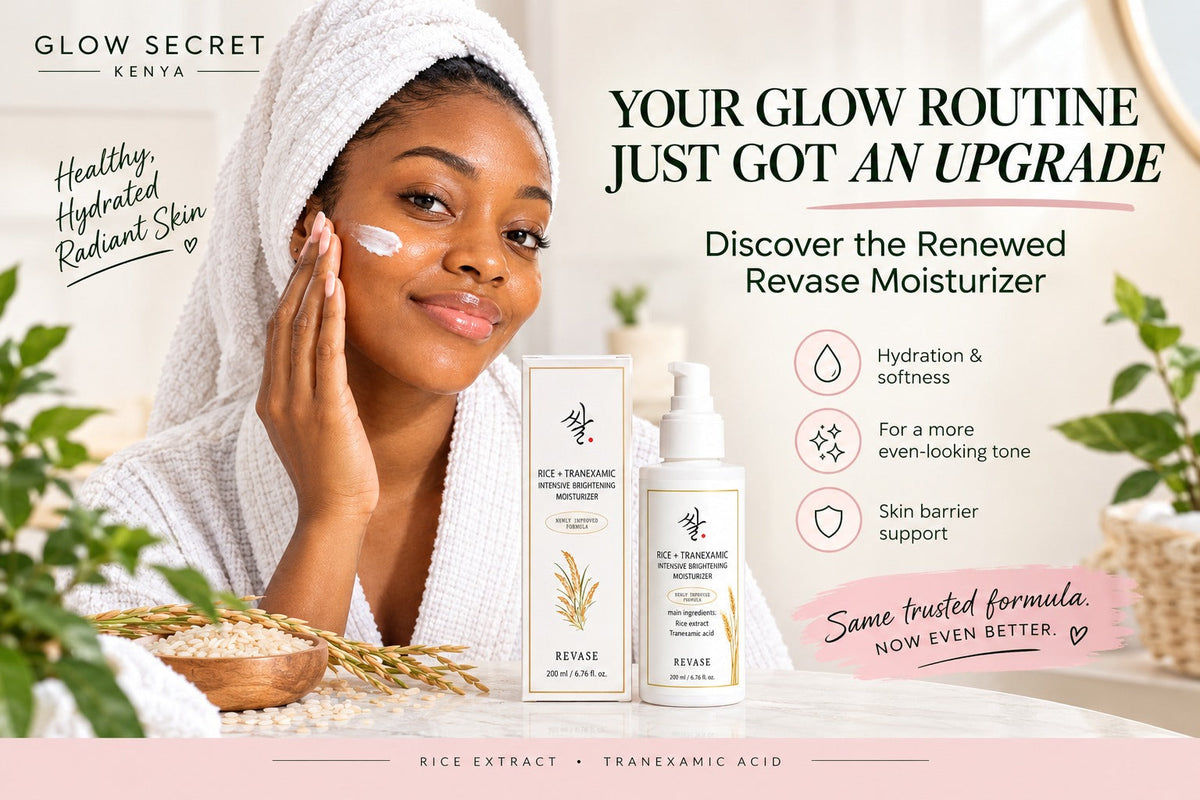
Build your bodycare routine with Glow Secret Kenya
Ready to review your bodycare essentials? Explore Glow Secret Kenya's skincare range and look for products that match your skin concerns, whether you need a gentle cleanser, a suitable moisturiser or a targeted acne treatment.

Leave a comment
This site is protected by hCaptcha and the hCaptcha Privacy Policy and Terms of Service apply.